The Best Diet for Hormone Optimization
Discover why your fork is one of the most powerful hormonal tools you possess. Learn science-backed nutrition strategies to maximize natural testosterone production and metabolic flexibility.
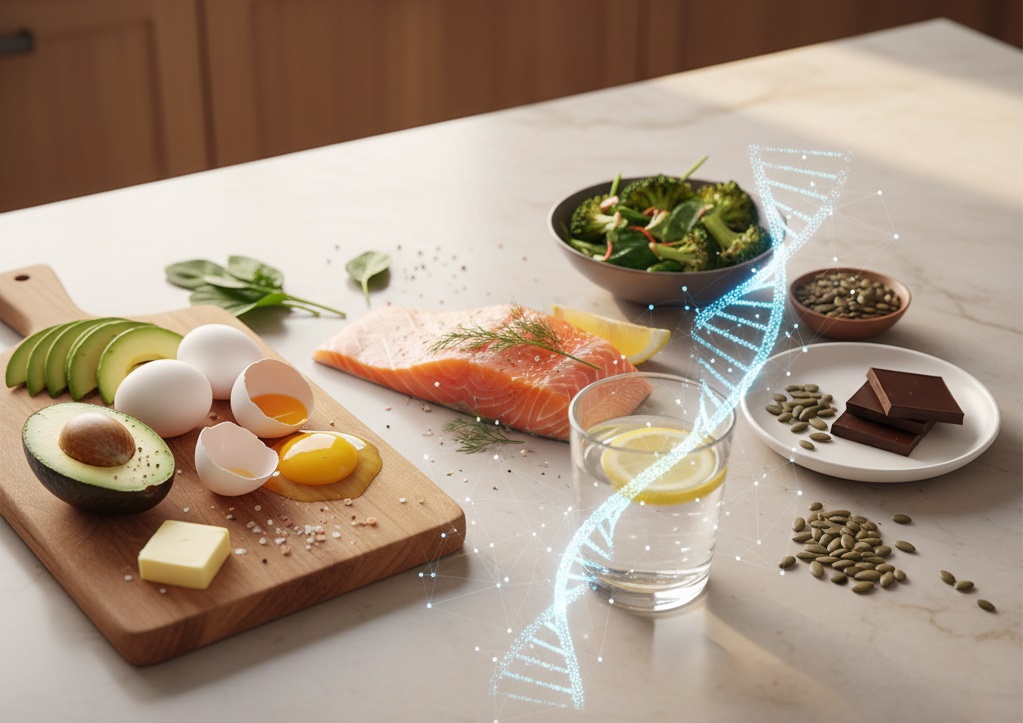
Hormone optimization starts with food. All steroid hormones—testosterone, estrogen, progesterone—are synthesized from cholesterol, making dietary fat essential. Low-fat diets suppress testosterone production. Key principles: prioritize healthy fats (eggs, avocados, olive oil, omega-3s), control insulin through carb timing and fiber-first eating (chronic high insulin lowers testosterone via aromatization), and ensure the 'Big Three' micronutrients—Vitamin D3 (pro-hormone), Zinc (LH production/aromatase inhibitor), and Magnesium (frees testosterone from SHBG). Aim for 30–40g of high-quality animal protein per meal. Avoid endocrine disruptors: pesticides, BPA/phthalates from plastics, and unfermented processed soy.
Table of Content
- Introduction: Eating for Signaling, Not Just Calories
- The Fat-Hormone Connection: Cholesterol as the Raw Material
- Insulin Control and the Anabolic Window
- The "Big Three": Vitamin D, Zinc, and Magnesium
- Protein Quality and Amino Acid Signaling
- Avoiding Endocrine Disruptors in Food
- The "Hormone Power Day": A Sample Menu
Introduction: Eating for Signaling, Not Just Calories
Most modern diets focus on "calories in vs. calories out," which is a metric for mass, not for function. When we discuss hormone optimization, we are looking at bioavailability and precursor availability. Your endocrine system is an organic factory; if you don't provide the raw materials (like high-quality fats) or if you create a toxic environment (like chronic high insulin), the factory shuts down.
At Live Forever Health, we move past the dogma of "Vegan vs. Keto" and focus on a nutrient-dense, anti-inflammatory framework designed to maximize natural testosterone production and metabolic flexibility.
The Foundations of Hormonal Nutrition
Hormones are made from either amino acids (proteins) or lipids (fats). If you are on a chronically low-fat diet or a protein-deficient protocol, your body literally lacks the building blocks to create testosterone and progesterone.
- The Satiety Signal: Proper nutrition stabilizes ghrelin and leptin, preventing "stress-eating" cycles that spike cortisol.
- The Insulin Connection: Chronic insulin elevation is a primary driver of low testosterone in men. We focus on stabilizing blood sugar to keep the "anabolic window" open.
The Fat-Hormone Connection: Cholesterol as the Raw Material
In the world of hormonal health, fat is not the enemy—it is the essential architecture. All steroid hormones, including testosterone, estrogen, progesterone, and cortisol, are synthesized from cholesterol. If you follow a diet that is chronically too low in healthy fats, you are essentially starving your endocrine factory of its primary raw material.
Cholesterol: The "Mother" Molecule
The process begins with cholesterol being converted into pregnenolone, often called the "mother hormone." From there, the body cascades into the production of androgens and estrogens.
The Low-Fat Fallacy
For decades, "heart-healthy" advice suggested eliminating dietary fat. However, studies consistently show that men on low-fat diets (typically under 20% of total calories) experience a significant drop in serum testosterone levels.
Essential Sources for Hormonal Fuel
🥚 Organic Eggs
The gold standard. Contains dietary cholesterol, Vitamin D, and choline for brain-to-gonad signaling.
🥑 Monounsaturated Fats
Olive oil, avocados, and macadamia nuts improve insulin sensitivity.
🥥 Saturated Fats
Grass-fed butter, coconut oil provide stable carbon chains for testosterone production.
🐟 Omega-3s
Wild-caught salmon and sardines reduce inflammation and optimize hormone receptors.
Ready to Optimize Your Hormones?
Get personalized guidance from our medical team on the best nutrition plan for your hormonal health.
Insulin Control and the Anabolic Window
While fats provide the building blocks, insulin acts as the traffic controller for your endocrine system. To achieve peak hormonal health, you must master the art of insulin sensitivity. Chronic blood sugar spikes don't just lead to fat storage; they create a biochemical environment that actively suppresses your anabolic (muscle-building/repair) hormones.
The Testosterone-Insulin Inverse Relationship
There is a direct, inverse relationship between insulin levels and testosterone. When blood sugar is chronically elevated—often due to a diet high in refined carbohydrates and processed sugars—the body stays in a state of hyperinsulinemia.
- The SHBG Effect: High insulin lowers Sex Hormone-Binding Globulin (SHBG), which correlates with increased aromatization—converting testosterone into estrogen.
- Leptin Resistance: High insulin leads to leptin resistance, triggering visceral fat storage and increased aromatase production.
Strategic Carbohydrate Timing
At Live Forever Health, we don't advocate for "no-carb" diets. Instead, we focus on Carbohydrate Backloading and the Glycemic Load.
Carb Timing Strategies
- Fiber First: Consume fiber and protein before carbohydrates to blunt glucose spikes.
- Earn Your Carbs: Focus carbs (sweet potatoes, berries, white rice, quinoa) around workout windows for glycogen replenishment.
- Key Minerals: Magnesium and Zinc ensure efficient insulin function at the receptor level.
The "Big Three": Vitamin D, Zinc, and Magnesium
If calories are the energy and macros are the materials, then micronutrients are the electrical signals that turn the machines on. At Live Forever Health, we focus on these as the non-negotiable pillars of an endocrine-optimizing diet.
Vitamin D3
Inhibits aromatization and enhances receptor sensitivity
Sources: Fatty fish, cod liver oil, egg yolks
Zinc
Triggers LH production and acts as aromatase inhibitor
Sources: Oysters, grass-fed beef, pumpkin seeds
Magnesium
Unbinds testosterone from SHBG and lowers cortisol
Sources: Dark leafy greens, dark chocolate, almonds
1. Vitamin D3: The Pro-Hormone
Despite its name, Vitamin D is actually a secosteroid hormone. Every tissue in your body, including the testes and ovaries, has Vitamin D receptors. Research consistently shows a direct correlation between Vitamin D levels and testosterone production.
2. Zinc: The Master Mineral of Virility
Zinc is arguably the most critical mineral for male hormonal health. It is a key player in the production of Luteinizing Hormone (LH)—the signal from the pituitary gland to the testes. Even mild zinc deficiency can lead to significant testosterone drops.
3. Magnesium: The Free Testosterone Unlock
Magnesium binds to SHBG in place of testosterone, increasing Free Testosterone—the active hormone responsible for muscle growth, energy, and libido. It also regulates the nervous system and lowers cortisol.
Protein Quality and Amino Acid Signaling
While fats provide the building blocks for hormones, protein provides the structural integrity for the tissues those hormones act upon. Your brain and endocrine glands monitor your amino acid intake to determine if the body is in a state of abundance (anabolic) or scarcity (catabolic).
The Leucine Threshold and mTOR
To trigger muscle protein synthesis and maintain a healthy metabolism, you must hit the Leucine Threshold. Leucine activates mTOR (mammalian target of rapamycin), signaling to the endocrine system that there are enough resources to build and repair tissue.
The Goal: Aim for 2.5 to 3 grams of Leucine per meal (30–40 grams of high-quality animal protein).
Bioavailability: Animal vs. Plant Protein
At Live Forever Health, we prioritize protein bioavailability and the DIAAS score (Digestible Indispensable Amino Acid Score).
- Animal Proteins: Grass-fed beef, wild-caught fish, organic poultry contain all essential amino acids plus hormonal co-factors like creatine and B12.
- Plant Proteins: Often contain anti-nutrients like lectins and phytates. Must be sprouted or fermented for optimal absorption.
The Collagen and Glycine Balance
An imbalance—too much methionine and not enough glycine—can increase inflammation and cortisol. Incorporating bone broth or collagen peptides provides glycine for balanced amino acid profiles, gut health, and improved sleep quality.
Need Personalized Hormone Optimization?
Our medical team specializes in testosterone therapy, HRT, and comprehensive wellness programs tailored to your unique needs.
Explore Hormone TherapyAvoiding Endocrine Disruptors in Food
Even with perfect macros, your hormonal health can be sabotaged by "invisible" chemicals. Endocrine Disrupting Chemicals (EDCs) are substances that mimic, block, or interfere with natural hormones, acting as xenoestrogens.
Pesticides and the Estrogenic Load
The "Dirty Dozen" Strategy
Crops like strawberries, spinach, and kale carry the highest pesticide residues.
The Live Forever Rule: Prioritize organic for thin-skinned fruits and the "Dirty Dozen."
The Plastic Leaching Problem (Phthalates and BPA)
BPA and phthalates migrate easily into fatty foods. These chemicals lower sperm count and testosterone by interfering with Leydig cells in the testes.
The Fix:
- ✓ Use glass, stainless steel, or ceramic for storage
- ✓ Never heat food in plastic containers
- ✓ Avoid plastic water bottles left in hot cars
Soy, Phytoestrogens, and Processing
Soy contains isoflavones (phytoestrogens). Highly processed soy (protein isolate, soybean oil) can be problematic. However, traditional fermented soy (tempeh, miso, natto) provides beneficial Vitamin K2.
The Strategy: Limit unfermented, processed soy. Focus on cruciferous vegetables (broccoli, cauliflower) containing Indole-3-Carbinol (I3C) and DIM for liver detoxification.
Conclusion: The 80/20 Rule for Hormonal Eating
Optimizing your hormones through nutrition isn't about achieving "perfection" for a single week; it is about creating a sustainable, high-signal environment over a lifetime. At Live Forever Health, we advocate for the 80/20 Rule: if 80% of your intake consists of nutrient-dense, single-ingredient whole foods that support your endocrine system, your body will have the resilience to handle the occasional "social" meal or metabolic stressor.
A hormone-optimized diet is the ultimate insurance policy. It ensures that your medical treatments—whether TRT, Peptides, or HRT—have the structural foundation they need to actually work. Without the right fuel, even the best medical protocol is just a driver trying to race a car with an empty gas tank.
Take Control of Your Internal Environment
Your fork is one of the most powerful hormonal tools you possess. By prioritizing healthy fats, controlling insulin, and avoiding environmental toxins, you shift your biology from "survival mode" to "thrival mode."
Learn more about our comprehensive approach at Live Forever Health.
Frequently Asked Questions
Is a Keto diet best for testosterone?
While high fats are good, long-term keto can sometimes raise SHBG too high, making your testosterone less 'available.' A 'Carb-Cycling' approach is often better for most men.
Do I really need to eat egg yolks?
Yes! The yolk contains the cholesterol and Vitamin D necessary for hormone synthesis. The 'egg white only' trend is counterproductive for hormonal health.
Does sugar lower testosterone?
Directly. A high sugar intake causes an insulin spike that can temporarily drop testosterone levels by up to 25% for several hours.
Can certain foods lower estrogen in men?
Cruciferous vegetables like broccoli and cabbage contain DIM, which helps the liver metabolize and excrete 'stale' or excess estrogen.
Is coffee bad for hormones?
In moderation, no. However, drinking coffee on an empty stomach can spike cortisol. It's best to have your coffee after or with a protein-rich breakfast.
Ready to Transform Your Health?
Combine optimal nutrition with our comprehensive hormone optimization programs for maximum results. Our medical team is ready to guide you.
Available in all 50 states • Telemedicine & In-Person Options